Today we are talking about thinning hair, and I know this is a big topic because a lot of people out there have thin hair and you’re probably wondering, what can I do with my thin hair? Can I help it? Can I regrow more hair? What can I do about my thinning hair?
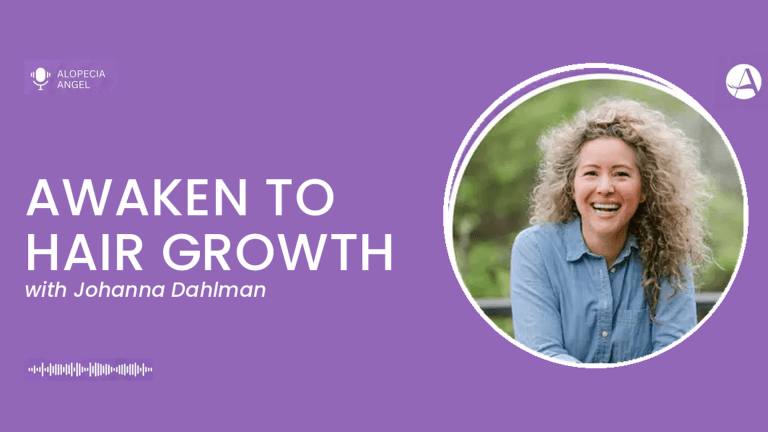
So you see me here. With lots of hair, right? Pretty thick. Yes. Some grays, yes, potentially a little bit of different colors and contrast, but I have thin hair. I’ve always had thin hair, and you’re probably not believing me, but I’m telling you, I have thin hair. I’ve always had it. But what I can tell you is that you can always have more of it—more. Thin hair so thin, so thick that your ponytail can be really thick.
Thin hair can become fuller over time
So if you’re looking for a thicker pony, if you’re looking for more hair, the Hair N’ Heal program is for you. And it’s for you even if you don’t necessarily have hair loss. One thing that’s always brought my own situation to heart in all of this is that before my actual alopecia areata bout with that in my thirties, I always had thin hair. It could always be thicker like it is now, more abundant, just voluminous and really thick and beautiful. But it’s still a lot, but it’s still thin. But when thin hair thins out, this is actually really scary.
So this is actually where people with coarse hair, with thicker hair in general, have an advantage over people with thin hair, because if you have thin hair to begin with, your main option, your main focus should be to increase the amount of the thinning hair. Because what’s gonna happen is that this is why maybe your scalp starts to show, this is why maybe the sides start to show, this is how your ponytail becomes really thin.
I don’t wear ponytails. I wear claw clips, but even in the claw clip, I can tell when my hair is on the thinner side versus a more voluminous, thicker side.
Why thin hair needs a different approach
And so there are ways to counteract these too. There are ways to help improve, and so the thing is this too requires an evaluation. There is no product here. There are no gimmicks. There is no shampoo I’m going to recommend or some sort of serum or multivitamin. This isn’t it. We need to look at the whole person because again, as I look back at my own hair loss situation before alopecia areata, I had times in my twenties where my hair was really thin, straggly thin.
And it could have been a couple reasons. Maybe over processing, maybe some of those hair products that do cause hair loss. For example, I have a free PDF on my website that lists hair products that have been linked to hair loss or lawsuits. Many times people don’t realize that some of the products sitting in their bathroom can be contributing not just to hair loss, but other long-term health concerns as well.
Hair products, chemicals, and hidden damage
One of the shocking things I personally experienced was finding out that a favorite mousse I used for years was discontinued because of health concerns that came out later. A lot of the time, these things don’t come out immediately. They can take years or even decades, and sometimes information is buried through settlements or legal processes.
So thinning hair is not just about genetics. It’s also about exposure, products, and what your hair has been through over time.
How to care for thinning hair day-to-day
So thinning hair, yes, you can help it. There are different types of tips and strategies that can support it.
For example, thinning hair is more delicate. My hair in particular is thin, curly, and highlighted, which already puts it at a disadvantage because of processing. The more processing you do, the more stress you put on the hair shaft. So reducing processing can make a big difference.
I know this is hard for people who don’t want to embrace gray hair, and I understand that. I don’t want to fully embrace mine either. But I’ve become more mindful of how often I color my hair compared to before when I would do it constantly.
Hair breakage and coloring mistakes
Breakage is a big contributor to thinning that many people don’t realize.
For example, when highlights or bleach are applied repeatedly over the same strands, the hair loses integrity over time and eventually starts to break. This breakage doesn’t always come from the root—it often happens mid-shaft, which makes it look like thinning.
Another factor is not trimming enough. Split ends travel upward, and over time this contributes to the appearance of thinner hair.
Trimming, maintenance, and realistic growth goals
My goal right now is to grow my hair to my waist or mid-back. That takes time, especially with curly hair. I once met someone at the gym who grew her hair down to her glutes over seven years. That perspective helps—healthy long hair is a long-term process.
Sometimes I trim my hair at home, and sometimes I go to a stylist who simply shapes it so my curls don’t become uneven. For straighter hair types, regular trims every few months—or even light maintenance in between—can help prevent split ends from building up.
Looking closely in bright light and trimming small split ends with proper scissors can also help maintain length and reduce breakage over time.
When thinning increases, look deeper
If you start noticing more thinning or breakage, it’s important to pause and ask why.
Is it diet? Lifestyle? Stress? Medications? Hair products? Over-processing? There are many possible causes. I also have a free PDF on my website that outlines medications linked to hair loss.
Finding the root cause is key because thinning hair is rarely just one thing.
Thin hair can absolutely improve
Personally, I prefer working with stylists who have at least 15 years of experience, especially with curly or fine hair. Thin hair reacts quickly to chemicals, which means mistakes can show up faster as well.
During my own journey, especially while living abroad, I experienced stylists who didn’t yet understand my hair texture fully. It often takes time and experience to truly understand how to handle fine, curly, or chemically treated hair.
But the good news is this: breakage can be controlled, and hair growth can be supported.
The mindset shift that changes everything
During my alopecia journey, I lost over 50% of my hair, including bald patches and eyebrow and eyelash loss. I know how unsettling hair loss can feel, especially when you already have fine hair and notice changes quickly.
But the foundation of recovery starts with belief: that you can have more hair.
Yes, your hair may always be fine in texture—but it does not have to be sparse. You can build density, fullness, and strength.
Final thoughts on thinning hair
There is no single shampoo, pill, or quick fix that creates lasting change. It always comes back to personalization—diet, lifestyle, and understanding your individual triggers.
Thin hair can improve. It can become fuller. It can become stronger.
This is where the Hair N’ Heal program comes in—we evaluate your full picture, identify blind spots, and support you toward healthier, fuller hair growth.
You can also visit alopeciaangel.com for free training and downloadable resources.
And if you’re dealing with thinning hair, know this: there are options, there are solutions, and you don’t have to stay stuck where you are today.