When most people hear the word alopecia, they immediately think of autoimmune hair loss. While that can be true, the reality is that alopecia is simply the medical term for hair loss.
Understanding this distinction is important because hair loss is not a single condition. Rather, it is an umbrella term that encompasses many different types of hair loss, each with its own causes, contributing factors, and healing strategies.
If you’re struggling with hair loss, understanding the type of alopecia you’re experiencing is the first step toward finding a solution that actually works.
Alopecia Is the Medical Term for Hair Loss
Many people are surprised to learn that alopecia and hair loss are interchangeable terms.
Under the umbrella of alopecia are numerous types of hair loss, including:
- Alopecia areata (autoimmune hair loss)
- Alopecia totalis
- Alopecia universalis
- Female pattern hair loss (androgenic alopecia)
- Male pattern hair loss
- Telogen effluvium
- Postpartum hair loss
- Traction alopecia
- Hormonal hair loss
- Thyroid-related hair loss
- Stress-induced hair loss
- Scarring alopecia
While these conditions may all result in hair loss, the underlying causes can vary significantly from person to person.
My Personal Journey With Alopecia Areata
My passion for helping others heal from hair loss comes from personal experience.
Years ago, I developed alopecia areata and lost more than 50% of my hair. Along with the hair on my scalp, I also lost portions of my eyebrows, eyelashes, and even part of my hairline.
What followed was a four-year journey of research, trial and error, and relentless determination to understand what was happening to my body.
I wanted answers to important questions:
- Why was this happening?
- What was causing it?
- How could I stop it?
- How could I ensure it never returned?
Today, more than nine years later, I remain free from alopecia areata. My hair continues to grow consistently, and I now enjoy thick, healthy hair that grows approximately an inch per month.
More importantly, that experience taught me that healing is possible when the right underlying factors are addressed.
Why Generic Hair Loss Solutions Often Fail
When hair loss begins, it’s natural to search for quick answers.
Many people turn to:
- Minoxidil
- Laser caps
- Hair growth serums
- Special shampoos
- Hair vitamins
- Supplements marketed for hair, skin, and nails
- Wigs and cosmetic solutions
Unfortunately, these approaches often focus on managing symptoms rather than identifying the root cause.
In some cases, they may provide temporary improvement. In others, they can become expensive distractions that delay meaningful progress.
Hair loss is rarely a simple issue with a simple solution. What works for one person may be ineffective—or even counterproductive—for another.
The Importance of Looking Beneath the Surface
One of the biggest mistakes people make is treating hair loss as an isolated problem.
Hair loss is often a symptom of a deeper imbalance within the body.
To understand what’s truly happening, it’s necessary to examine the bigger picture, including:
- Hormonal health
- Thyroid function
- Nutritional status
- Stress levels
- Autoimmune activity
- Inflammation
- Environmental exposures
- Lifestyle factors
Without addressing these underlying contributors, many people find themselves trapped in a cycle of trying one product after another without lasting success.
Everyone Has Blind Spots
Even health professionals can have blind spots when it comes to their own health.
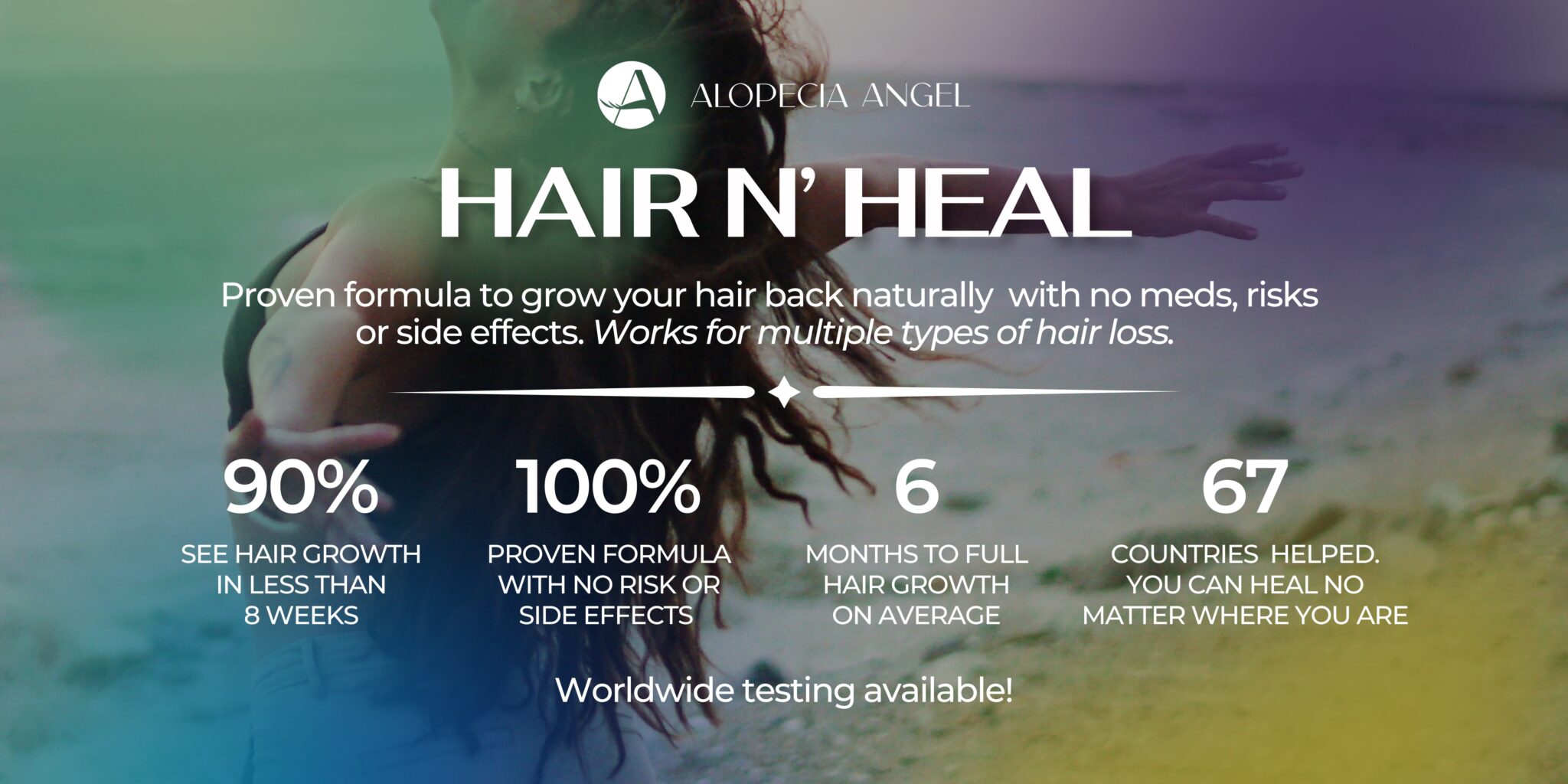
One example is a gut health coach who joined our Hair N’ Heal program after struggling with hair shedding for more than 20 years. Despite her extensive knowledge and experience in health and wellness, there were still key factors affecting her hair that had gone unnoticed.
Within 24 hours of implementing targeted recommendations, her shedding stopped.
This isn’t unusual.
No matter how much knowledge we have, it can be difficult to objectively assess our own situation. Sometimes an outside perspective is exactly what’s needed to identify the missing pieces.
Female Pattern Hair Loss Requires a Different Approach
Female pattern hair loss, also known as androgenic alopecia, is one of the most misunderstood forms of hair loss.
Many women spend years experimenting with supplements and natural remedies they find online, hoping for improvement.
Common examples include:
- Saw palmetto
- Nettle supplements
- Various herbal protocols
- Generic hair growth formulas
While these approaches may sound promising, they often fail to address the specific factors contributing to an individual’s hair loss.
This is why personalized assessment is so important. Hair loss solutions should be based on your unique physiology, not broad recommendations found through internet searches.
Not Everything Marketed as Safe Is Truly Safe
Another important consideration is that some products, medications, and ingredients may have unintended consequences.
Over the years, certain products that were once widely available have later been removed from the market due to safety concerns.
In some cases, harmful ingredients are not identified until years—or even decades—after people begin using them.
This serves as an important reminder that simply because something is popular or readily available does not automatically mean it is the best choice for your long-term health.
Healing Hair Loss Is About More Than Hair
One of the greatest benefits of addressing hair loss at its root cause is that the improvements often extend far beyond hair growth.
When the body is properly supported, people frequently experience:
- Better energy
- Improved mood
- Better sleep
- Enhanced confidence
- Reduced stress
- Improved overall wellness
Hair growth becomes a reflection of deeper healing occurring throughout the body.
You Don’t Need to Become an Expert to Heal
Many women spend years trying to become their own researcher, investigator, nutritionist, and health coach.
The truth is, you don’t need a medical degree or specialized training to heal.
You don’t need to be:
- A doctor
- A dietitian
- A pharmacist
- A functional medicine practitioner
- A personal trainer
- A health researcher
What you do need is a willingness to understand your body, take action, and follow a strategic plan designed specifically for your situation.
The Bottom Line
Hair loss is not a one-size-fits-all condition, and neither is the solution.
Whether you’re experiencing autoimmune hair loss, postpartum shedding, thyroid-related hair loss, androgenic alopecia, stress-induced hair loss, or another form of alopecia, lasting results require a personalized approach that addresses the root causes rather than simply masking the symptoms.
The good news is that healing is possible.
With the right guidance, proper support, and a strategy tailored to your unique needs, it is possible to stop the cycle of frustration, regain confidence, and restore healthy hair growth naturally.
Your hair loss story does not have to define your future. Understanding what’s really happening beneath the surface is the first step toward lasting transformation.