Alopecia affects people from all walks of life.
Through my work with clients around the world, I’ve seen a clear pattern:
- About 80% are female
- Around 10–20% are male
- It can affect children as young as under 1 year old and adults into their 70s and beyond
It does not discriminate based on age, race, ethnicity, or fitness level.
I’ve worked with personal trainers, nurses, pharmacists, bodybuilders, health coaches, and people who considered themselves “very healthy”—and still experienced alopecia.
This is one of the most important truths:
You can be healthy and still experience hair loss.
Alopecia Does Not Discriminate
I once believed I was healthy enough that something like alopecia would never happen to me. I was active, fit, living in Miami, and doing all the “right” things.
And yet, I still developed alopecia.
That experience changed everything.
It showed me that alopecia is not about surface-level health. It is about deeper imbalances in the body that are often overlooked.
This is why I always say:
Even if you consider yourself healthy, there is still room to grow and improve.
There Is a Choice: Two Paths Forward
When people are diagnosed with alopecia, there are generally two directions they are given:
1. Conventional medical approach
This may include:
- topical treatments
- steroid injections
- minoxidil or similar products
- PRP treatments
- immunosuppressant medications
- wigs or coverage solutions
These may provide temporary results for some, but often come with side effects or do not address the deeper root cause.
2. A holistic, root-cause approach
This path focuses on:
- identifying internal imbalances
- supporting the body as a whole system
- lifestyle, nutrition, stress, and environment
- personalized healing strategies
This is the approach I teach and practice.
Why Personalization Matters in Healing Alopecia
One of the biggest misunderstandings about alopecia is the belief that one solution should work for everyone.
But alopecia does not work that way.
Each person has a different:
- health history
- lifestyle
- stress level
- environment
- diet
- hormonal and immune profile
That is why a one-size-fits-all approach often falls short.
Healing must be personalized.
The Importance of Evaluation
The first step in healing is a deep and detailed evaluation.
This is not a quick surface-level assessment. It is a structured process that looks at your entire health picture to identify the real root causes behind your hair loss.
Without this step, people often:
- try multiple treatments without results
- spend money on products that don’t work
- stay stuck in cycles of frustration
Evaluation is what creates clarity.
Clarity is what leads to direction.
Direction is what leads to healing.
Alopecia Is a Puzzle, Not a Single Problem
I often describe alopecia as a puzzle with many pieces.
Each person’s puzzle looks different.
Some pieces may include:
- stress overload
- nutritional deficiencies
- hormonal imbalance
- inflammation
- gut health issues
- environmental triggers
When you put the right pieces together, the body can begin to rebalance—and hair regrowth becomes possible.
Real Healing Happens From the Inside Out
What I have seen over and over again is this:
When the body starts to come back into balance, everything changes.
This is not just about hair.
Clients often report improvements in:
- energy levels
- sleep quality
- mood and emotional wellbeing
- skin and overall vitality
Hair is one of the first visible signals of internal health—but it is not the only thing that improves.
Alopecia Can Be Reversed
I am now more than seven years into my own healing journey, and I no longer worry about hair loss.
That freedom is something I once thought was far away, but it became my reality.
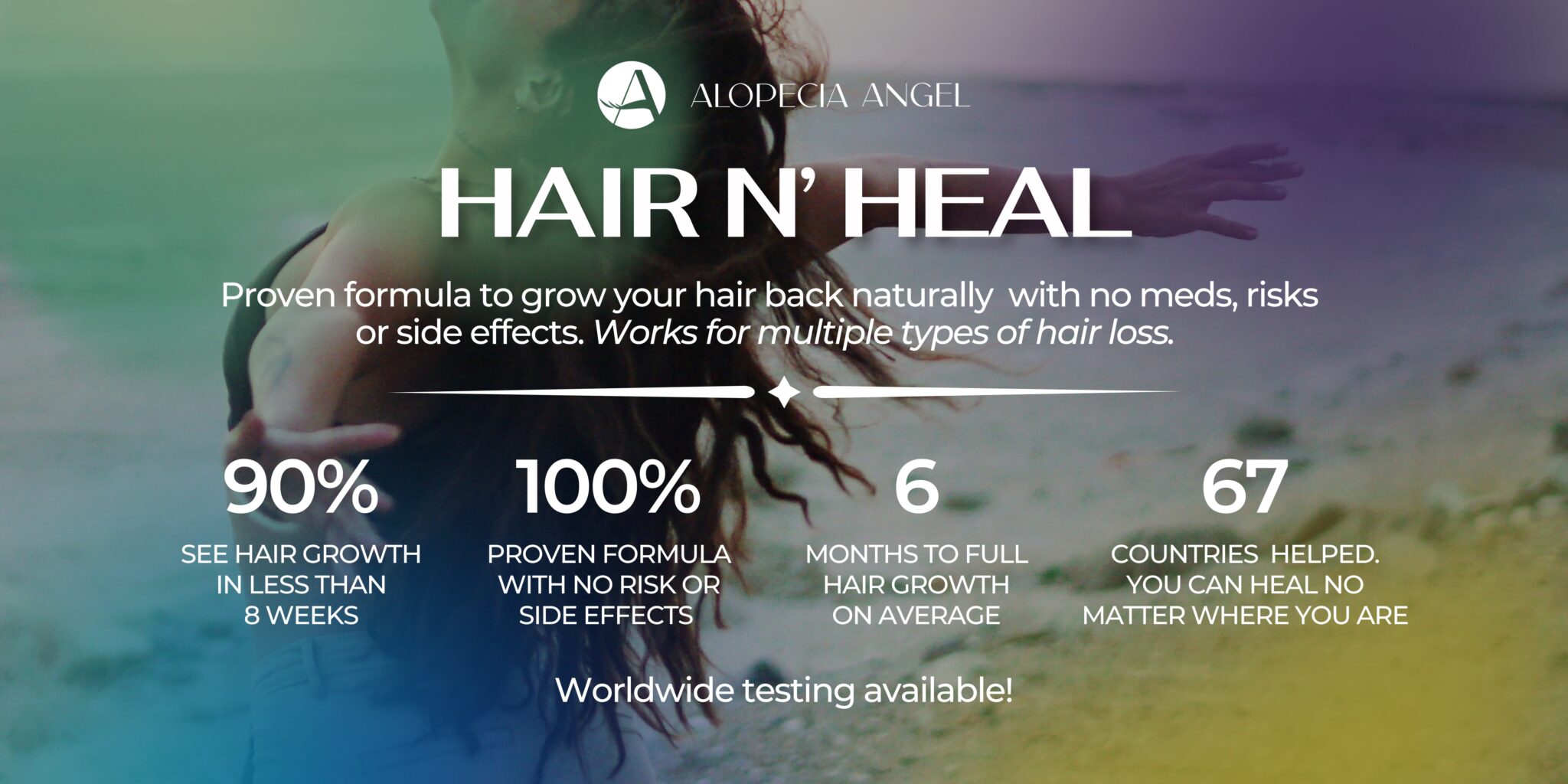
I have also seen this transformation in clients from over 60 countries around the world. Different ages, different backgrounds, different lifestyles—but similar breakthroughs once the right approach is applied.
Awakening Is the First Step
Awaken to hair growth.
Awaken to the possibility that your body is capable of healing.
Awaken to the understanding that alopecia is not a life sentence.
Alopecia affects many people, but it does not define who you are, and it does not have to define your future.
There is a path forward—but it begins with awareness, understanding, and the willingness to look deeper than surface-level solutions.